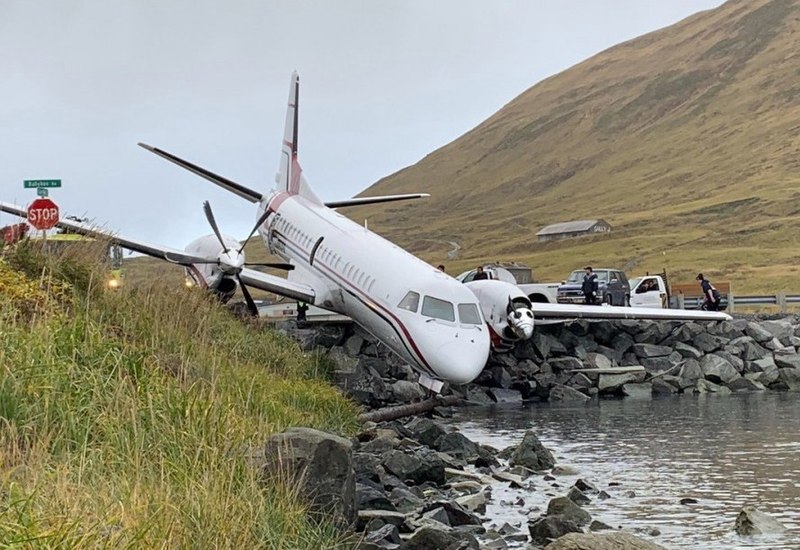
A Flight Safety or Accident Prevention Program in airlines is a comprehensive system of policies, procedures, and practices aimed at minimizing the risk of aviation accidents and ensuring the safety of passengers, crew, and aircraft. These programs are vital in the aviation industry to prevent accidents and incidents. Here’s what they are used for:
-
Safety Management: They provide a structured approach to safety management, including risk assessment and mitigation strategies. This helps airlines identify and address potential safety hazards before they result in accidents.
-
Compliance: Airlines must adhere to various aviation regulations and standards imposed by aviation authorities. These programs help ensure compliance with these regulations.
-
Training and Education: They include training programs for flight crews, maintenance personnel, and ground staff to ensure they are well-equipped to handle emergency situations and adhere to safety protocols.
-
Continuous Improvement: Accident Prevention Programs promote a culture of continuous improvement. Lessons learned from accidents and incidents are used to enhance safety measures and prevent future occurrences.
-
Safety Reporting: They establish mechanisms for reporting safety concerns, incidents, or near-misses. Encouraging open reporting allows for the identification of potential risks and corrective actions.
-
Data Analysis: Programs collect and analyze safety data, including flight data, maintenance records, and incident reports, to identify trends and patterns that might indicate safety issues.
-
Emergency Response: They define procedures and protocols for responding to in-flight emergencies, such as engine failures or severe weather, to ensure the safety of passengers and crew.
-
Safety Culture: These programs foster a culture of safety within the airline, where all employees understand the importance of safety and their role in preventing accidents.
-
Audits and Inspections: Regular audits and inspections are conducted to assess the effectiveness of safety measures and identify areas for improvement.